How the Campus Event Model Is Redefining Conferences
The City Is the Venue: How the Campus Event Model Is Redefining the Conference Experience
The best events happening right now aren’t contained within four walls. Conferences and other complex multi-venue events are spilling out into city neighborhoods, corporate offices, restaurant dining rooms, and into destination venues between sessions.
The Fast Company Innovation Festival is one of the most visible examples of the campus event strategy, a format akin that treats an entire urban destination as an integrated event environment with a professional venue serving as home base and the surrounding city as an extension of the program. Closely related is the “festivalization of events” trend that has transformed citywide gatherings like SXSW in Austin and CES in Las Vegas into cultural touchstones as much as industry events. The campus event format is gaining serious traction among B2B planners looking to elevate the attendee experience beyond a packed agenda of keynotes, educational sessions, and networking hours in one event venue.
When attendees arrive at the Fast Company Innovation Festival each fall in New York City, they don’t settle into a single conference room for the day; they move — into the private offices of trailblazing brands, to innovation dinners at Michelin-starred restaurants, through the streets of Lower Manhattan, and beyond. “During Innovation Festival week, New York becomes part of the program itself,” says Kristin Mooney, senior vice president of MV Live at Mansueto Ventures, which produces the multi-day, multi-venue conference. “The goal is to let people experience innovation not just on stage, but across the city.”
The shift toward campus event programming is not so much a fleeting trend as a structural response to what attendees now expect from the events they choose to attend: personalized and immersive experiences, meaningful connections, and a sense of place that a single ballroom simply cannot deliver.
For event planners looking to try this approach, we explore the best use cases for a multi-venue conference and why planners are adapting their own campus event strategy.
What is the campus event strategy?
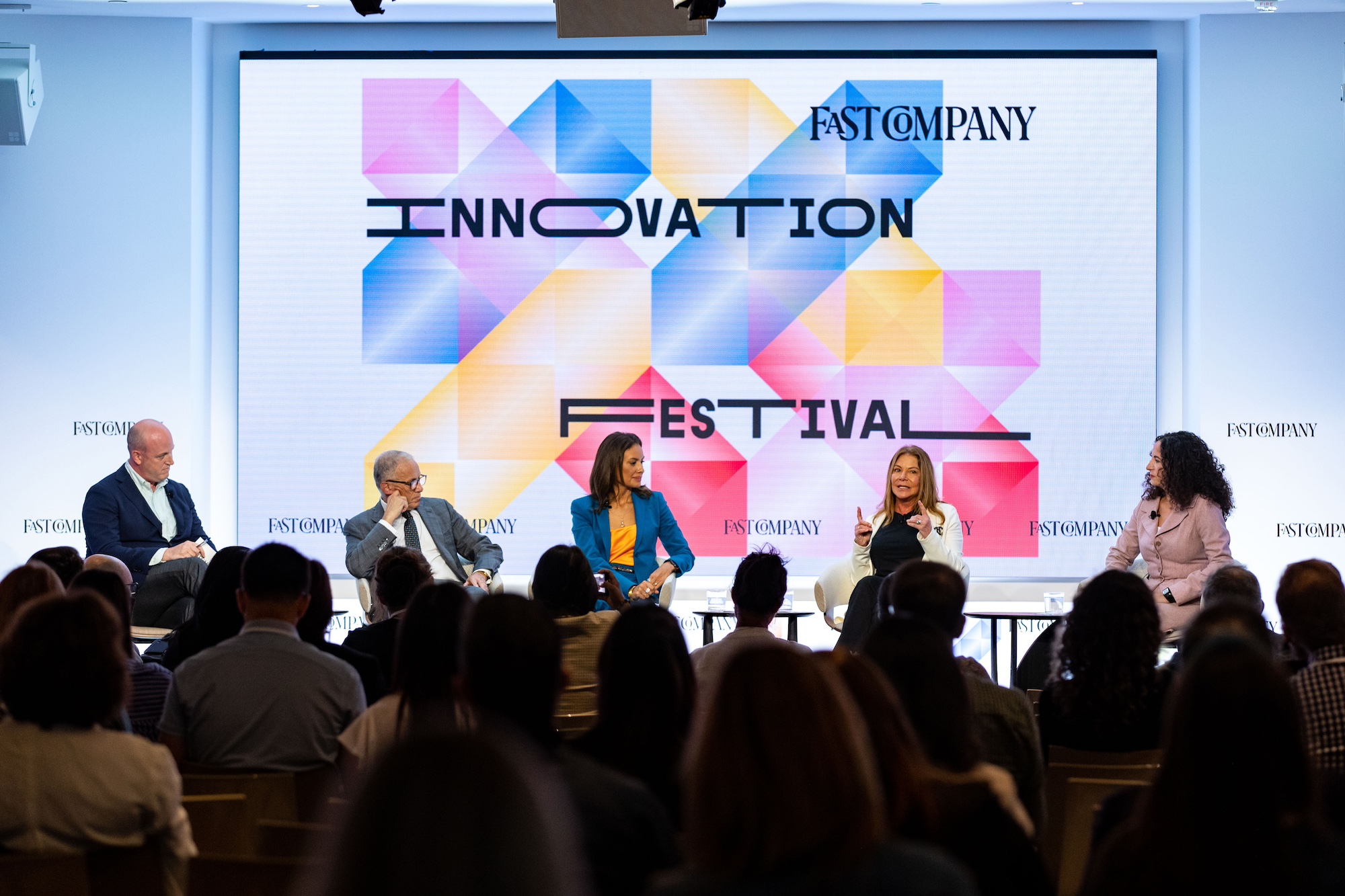
The campus event model uses multiple event venues within a walkable urban district, or several connected neighborhoods, as the functional footprint for an event. Programming is intentionally distributed among a cluster of venues, hotels, restaurants, and social spaces, with the surrounding city woven into the program rather than serving as a mere backdrop.
Closely tied to the broader festivalisation of events trend that has been reshaping B2B events since roughly 2017, this immersive format transforms business conferences into multi-sensory, participatory experiences that integrate education, entertainment, and community in a way that’s closer to SXSW or C2 Montréal than a traditional event.
The data backs up the growing appeal of this strategy. According to the 2025 Fast Company x Convene Hospitality Group Event Strategy Survey, 78.6% of event professionals say walkable, easily accessible locations are a top priority in venue selection, and 54% factor in local amenities when choosing where to hold an event.
Keynotes might happen in a dedicated auditorium, breakout sessions in a nearby meeting venue, networking activations at a local restaurant or rooftop, and specialty programming inside corporate offices or cultural institutions around the city. Attendees move between locations under a shared badge, schedule, and wayfinding system, creating a unified experience that no single hotel ballroom or conference center can replicate.
A different animal from the traditional citywide convention that simply fills multiple hotels and a convention center, the campus event model is more intentional, with the destination’s neighborhoods, culture, and character becoming part of the event experience, not just the backdrop. Think of the conference event model as applying the logic of a university campus (multiple buildings, different environments, one integrated experience) to a downtown district.
Why the campus event model works for planners and attendees.
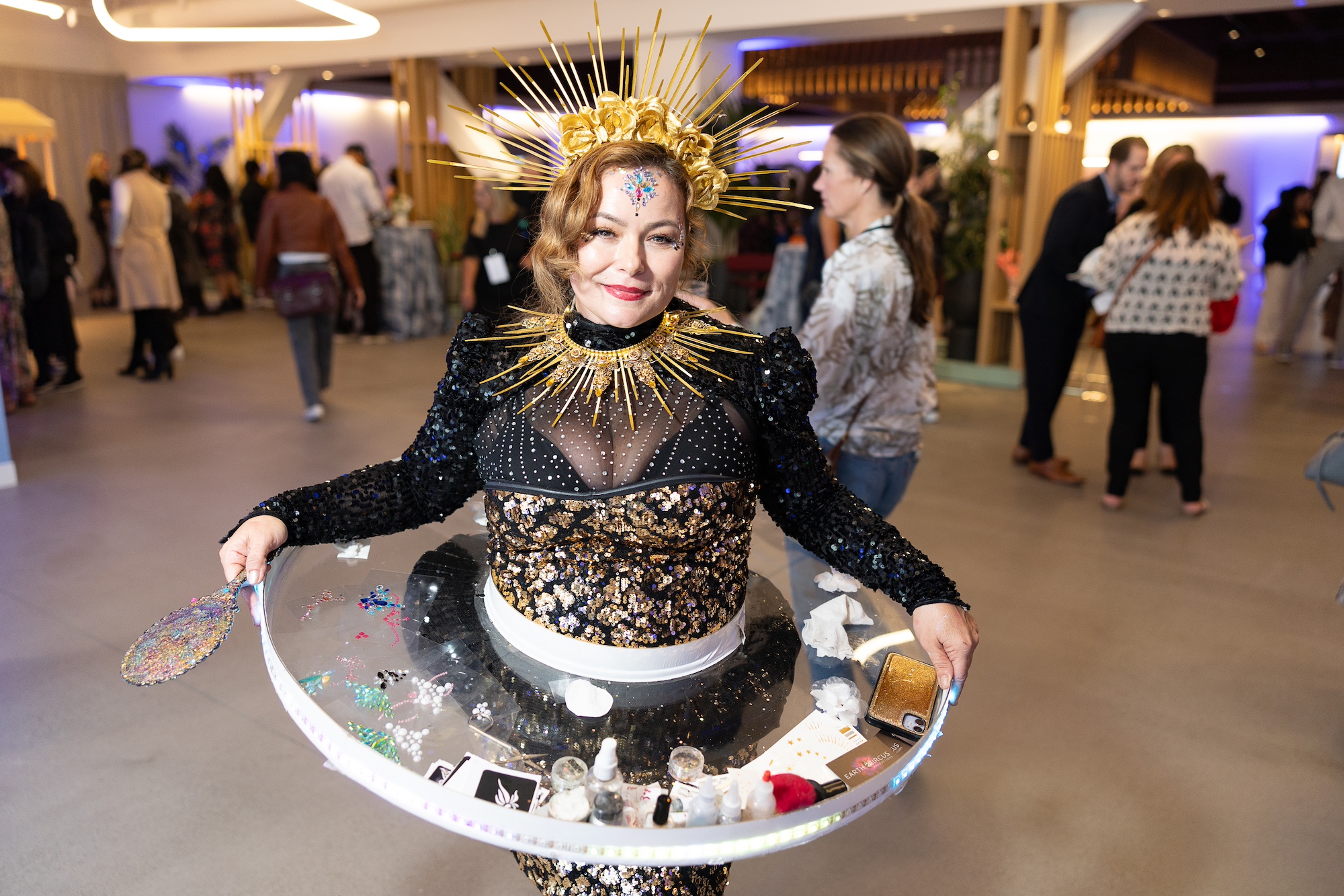
The appeal of the campus event model goes well beyond aesthetics to increased personalization, the ability to scale, and greater movement to further opportunities for connection between attendees. Event planners who’ve tried this model consistently report the following:
Movement during events drives connection
When attendees move between spaces, they get natural conversation starters and shared experiences that a static conference room simply doesn’t generate. Walking to the next venue alongside a new colleague or discovering the same neighborhood restaurant, for example, builds the kind of informal bonds that a scheduled “networking hour” rarely does. “Breaking up the day and the environment helps promote creativity and provides conversation starters for attendees,” says Phoenix Porcelli, CHG senior vice president, global sales.
Event planners can personalize at scale
Distributing programming across multiple venues and formats lets planners serve a more diverse audience without sacrificing cohesion. “With so many different sessions, Fast Tracks, and events happening across the city, attendees can build their own agenda, and no two people have the same experience,” says Mooney about the Fast Company Innovation Festival. “That level of choice and variety is a big reason why so many people return year after year.” That breadth also supports inclusivity — creating entry points at different formats, price levels, and experience types.
Festivalisation of events is a real answer to event fatigue
There’s only so much a packed agenda in a single room can do for attention and energy, especially on day two or three. Fresh environments create renewed focus, and moving between spaces gives attendees something a schedule change alone can’t: a genuine change of scenery and a chance to move their bodies between event sessions.
The city becomes part of the event narrative
When an event leans into its surroundings — a Nashville-themed conference that embraces local music culture, an evening reception at a city aquarium, a wellness morning at a nearby fitness studio — it creates memories that a generic ballroom simply can’t. According to the 2025 Fast Company x Convene Event Strategy Survey, 63% of planners already identify one-of-a-kind experiences as a defining factor in what makes an event memorable. Used well, a city can be exactly that.
A campus event blueprint in action.
The Fast Company Innovation Festival, now in its 12th year, offers one of the clearest examples of the event festivalisation or campus event model in action. What began as a one-time event to celebrate Fast Company’s 20th anniversary generated enough demand to become an annual institution. The week-long convergence of executives, entrepreneurs, and creatives turns lower Manhattan and beyond into an extended venue.
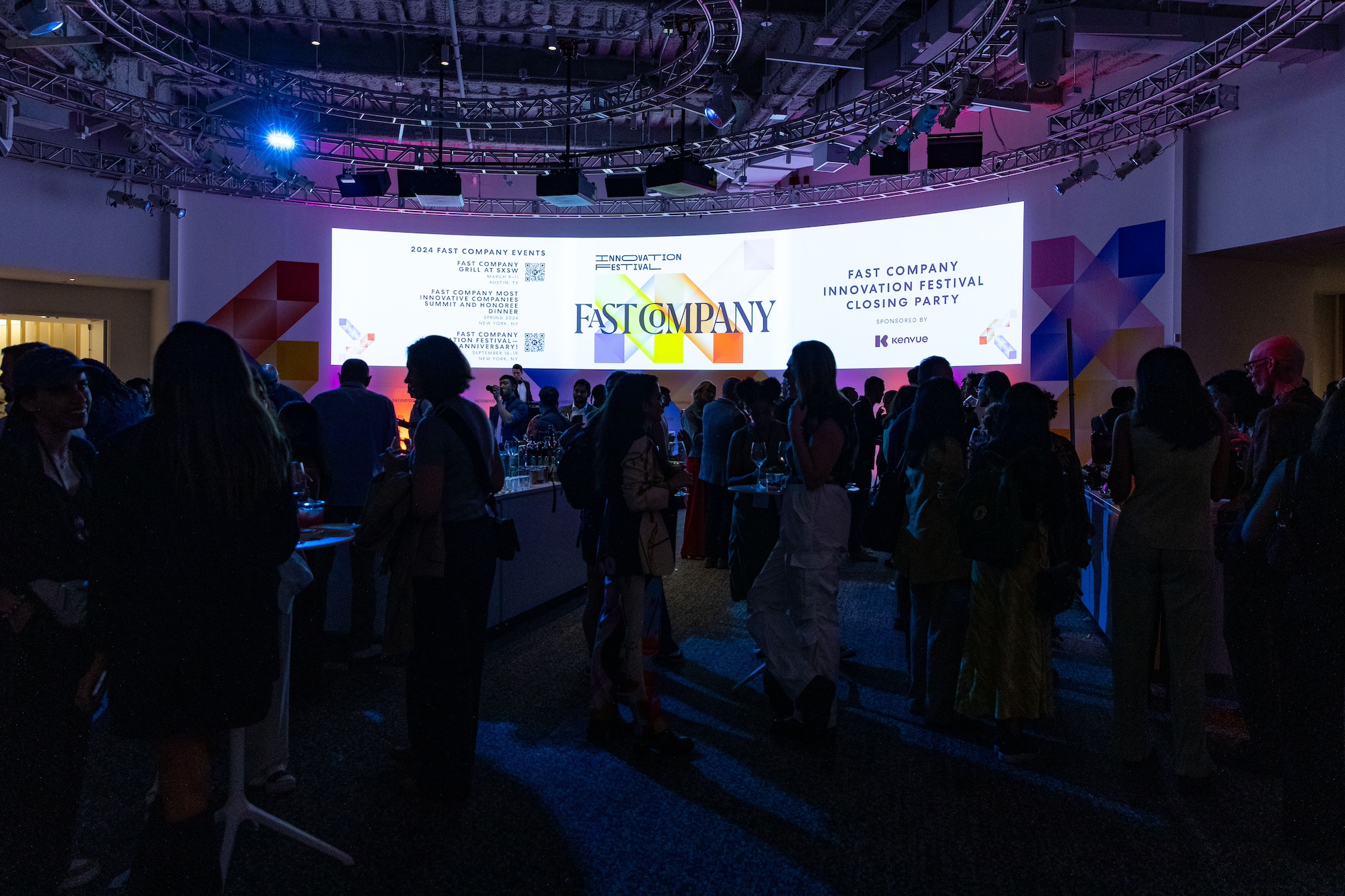
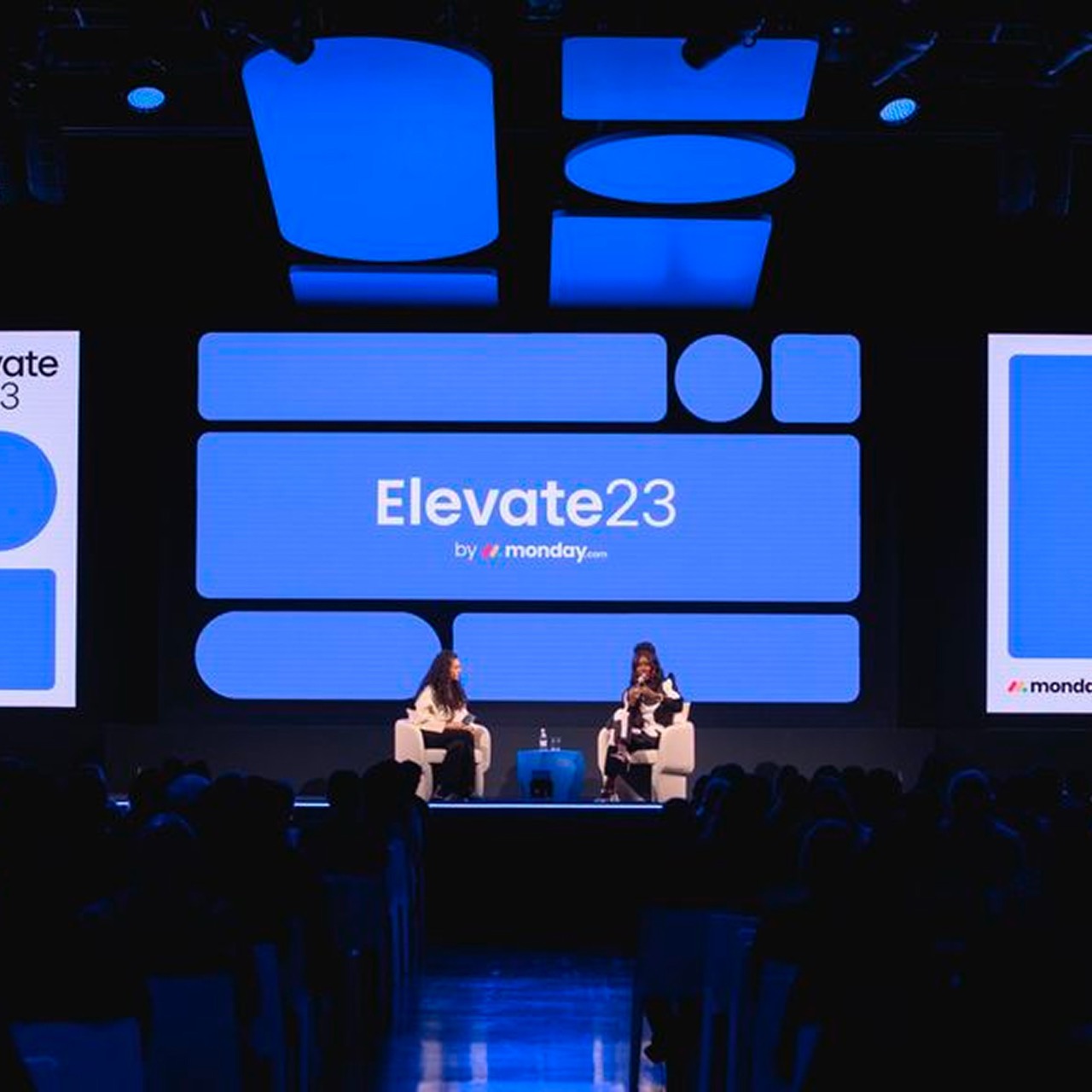
Convene Brookfield Place, 225 Liberty, has served as the Fast Company Innovation Festival’s hub for several years, hosting up to 720 guests and including multiple stages, activations, networking spaces, and food and beverage programming under custom Fast Company branding. Larger keynote sessions overflow to the BMCC Tribeca Performing Arts Center nearby, which accommodates around 1,000 attendees. But the festival’s signature element is its Fast Tracks: curated visits inside the private offices of some of New York’s most innovative companies.
“It’s essentially a blank canvas, which allows us to transform it into the festival hub,” explains Mooney. “For example, with more than 150 speakers coming through the hub, we realized a single green room wasn’t enough, so we created a satellite green room off the main stage to accommodate our highest-level speakers. That flexibility allows us to design the space around the experience we want to create.”
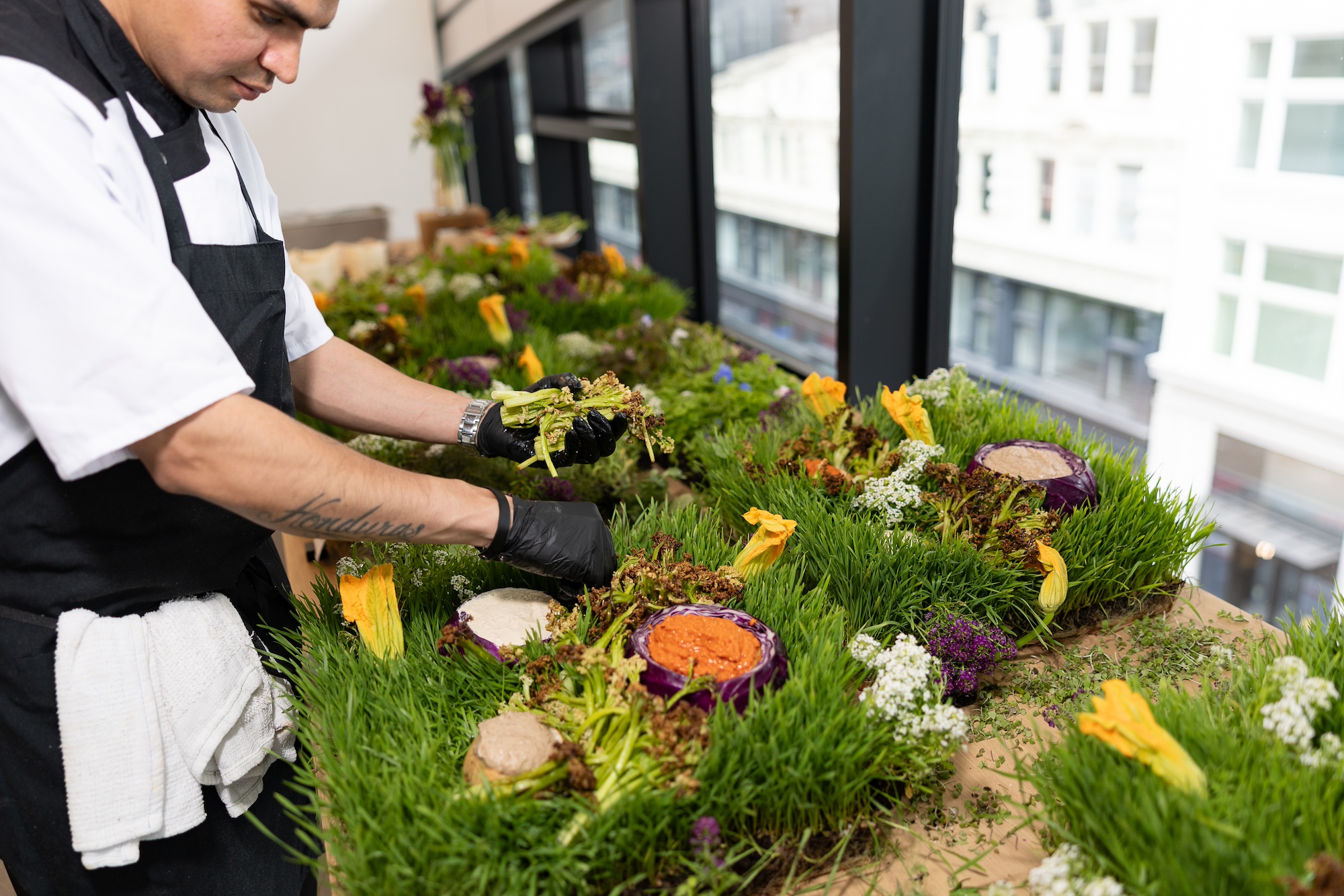
The idea came from the access Fast Company editors have always enjoyed behind the scenes at major brands, and the Innovation Festival opened that same access to conference attendees. “The goal is to let people step inside the places where innovation is really happening,” says Mooney. Sponsors activate off-site spaces for fitness programming at Chelsea Piers, culinary experiences at restaurants including Eleven Madison Park and Le Bernardin, and other city-embedded activations that extend the programming well beyond any single venue.
The format keeps people coming back, Mooney says. “That diversity of perspectives is what drives innovation,” she says. “When you bring together people from different industries, backgrounds, and parts of the world, the conversations become more interesting — and that’s where new ideas happen.”
Planning considerations for first-timers to the campus event strategy
Make no mistake: a multi-venue event is a more complicated undertaking than a single-location program. But planners who’ve executed a corporate festival or multi-venue campus event point to a handful of best practices that make all the difference.
Start planning your multi-venue event early
“The Innovation Festival has a lot of moving parts and is truly a year-long planning process,” Mooney says. Multisite coordination, from loading schedules to technical rehearsals to broadcast configurations, requires far more lead time than a traditional single-venue program. And Porcelli explained that equipment needs don’t divide cleanly between venues, so the earlier you plan for all your requirements across all your locations, the better.
Choreograph attendee flow intentionally
As a Certified Meeting Planner and CHG SVP of Sales, Porcelli advises planners to think carefully about “optimizing the amount of time each participant spends per venue and what is available where, with respect to access to hybrid or streamed content, sponsor or exhibitor placement, and networking opportunities.” Movement between venues should feel purposeful, not chaotic.
Invest in technology for crew communication
Professional intercom headsets across all venue crews are essential for real-time coordination, Porcelli says. Network configuration — ensuring client signals are prioritized in and out of each location — is a technical requirement to sort out in pre-production, not on the day of the event.
Tap your network for off-site partners
Some of the most unique and memorable parts of an event can come from partnerships with companies, venues, and organizations that are excited to open their doors and be part of the experience. “You never know who might want to participate, and those collaborations are often what make the event feel distinctive,” Mooney says. CHG’s existing neighborhood relationships, and its connections with convention and visitors bureaus in each of its markets, give event planners a head start on building that ecosystem.
How CHG’s urban footprint is built for the event festivalisation and campus event models

Every successful multi-venue event needs a home base, a professionally managed space with the infrastructure, flexibility, and local knowledge to anchor the broader program.
CHG operates nearly 40 venues across the U.S., London, and Manchester, U.K., with particular density in cities where multi-venue programming is most viable. In New York, Convene Brookfield Place, 225 Liberty, serves as a natural home base for large-scale events in downtown Manhattan, with Convene One Liberty Plaza able to host over 350 guests within walking distance. In NYC’s Midtown, Convene 30 Hudson Yards and Convene 360 Madison Avenue are well-positioned for events tied to Javits Center conventions and business hubs.
In the Chicago Loop, Convene Willis Tower — one of CHG’s largest properties at 90,000 square feet — sits within blocks of a second CHG location, Convene 311 W Monroe, giving planners a multi-venue capability within a single event management ecosystem. In San Francisco, Convene 100 Stockton places planners near the Moscone Center and the tech campuses that draw innovation-focused events to the city.
Six of CHG’s Convene and etc.venues properties in London are located in the heart of the city, offering convenient transit access to the Excel Convention Centre, about 15 to 25 minutes by Tube. Convene Sancroft, St. Paul’s, in Paternoster Square, hosts 1,200 delegates and features street-level access. The versatility of the venue was an advantage for the Financial Times’ Future of the Car summit, which featured several cars inside the Ground Floor Lounge. On the Southbank is etc.venues County Hall, a destination venue with 30 multi-use rooms and Thames views for an unforgettable closing reception. CHG is also supported by the London Convention Bureau, which can connect planners with additional destination partners across the city.
Room configurations range from 10-person boardrooms to large general session spaces, meaning different session types can be distributed across purpose-built spaces. The advantage of hosting a campus-style event with CHG is that it’s all under a familiar brand umbrella with a single point of coordination and with consistent service standards. CHG’s multi-brand portfolio eliminates the stress of organizers juggling relationships with multiple unrelated vendors.
Event organizers are able to coordinate broadcasts and simulcasts between CHG locations, due to its tech teams supporting multi-track programming with separate branding per track and the ability to tap into established relationships with nearby restaurants, gyms, cultural venues, and corporate offices. Every CHG property also features curated partner hotel rates, reducing the coordination burden for planners managing room blocks.
That partner ecosystem is only getting broader. CHG’s January 2026 acquisition of NeueHouse — a cultural venue for creators, innovators, and thought leaders at Madison Square — and the launch of The Mallory, a bespoke experiential events space at West Chelsea’s Terminal Warehouse, opening in Q2 2026, give planners more range within a single network. This opens up an array of new possibilities for a complete city-as-campus program within a single portfolio. For example, a Convene property can anchor the main program; NeueHouse can host an evening reception for clients and creative partners; and The Mallory can serve as the setting for an invite-only VIP immersive experience.
That’s not a logistical challenge so much as an opportunity, and it’s one that CHG’s urban portfolio, local partnerships, and multi-site experiences are built to help planners seize.
Ready to make the city your campus? Explore Convene Hospitality Group (CHG) venues across New York, Washington D.C., London, Chicago, San Francisco, and more at convene.com/locations.