Immersive Experiences Are Reshaping B2B Events
We recently hosted two interactive campfire sessions for the London Experience Week at Convene 22 Bishopsgate, including a hybrid session with author of “The Experience Economy,” Joe Pine. After engaging in the week’s activities, one thing’s clear: Immersive isn’t a buzzword, it’s the direction events are moving. Immersive and experiential consumer-focused events have been here for a while. The conversations, showcases, and experiences at London Experience Week demonstrated that the shift is undeniable for the business-to-business (B2B) world.
As the director of UK sales at Convene Hospitality Group, I’ve seen an exciting shift for our global portfolio of brands and for our partners who have embraced immersive and experiential events. If businesses want an event to cut through, connect, and convert, elements such as immersive tech, intentional design, and AI-driven personalisation aren’t optional; they’re expected.
Welcome to the Experience Economy
We’re living in what Pine and London Experience Week organisers called the "experience economy," one that incorporates aesthetics, engagement, customisation, and has the power to transform quality of life. As Mat Duerden, a professor of experience design and management at Brigham Young University, put it in his session How Stories Create Social Connection, the most powerful experiences follow three stages: anticipation, participation, and reflection. Leaders now recognise the cycle to amplify events, building excitement before, engaging deeply during, and continuing the conversation as attendees walk out of a session and engage on social media. Memorable events create impact as a result of the story your audience takes with them.
So, what’s changed? People want to feel something and are more attuned to when a brand is simply going through the motions to sell a product. B2B events should follow this approach to translate their mission and message with immersive and tangible activations. Guests want to throw themselves into the experience and have a say in how it plays out. They’re not just there to watch; they want to be a part of it. Experiential events deliver just that.
Events have shifted focus from the speaker to the audience
The event landscape has shifted dramatically from traditional speaker-style formats to fully immersive and experiential environments. We're seeing the evolution from a passive attendance listening to a presentation to meticulously designed activities, such as hands-on learning and engagement between guests driving the session. More interactivity can also require more room to expand with additional breakout spaces. Delegates demand more, and their expectations are more heightened than ever.
The “flight to experience” is real: What entices people to leave their screens and join events in person is no longer content alone, but how attendees can interact and respond to the content. It's F&B that is healthy and sensory, thanks to menus with fresh ingredients tailored to guest preferences. It’s spatial design that brings in natural light and is conducive to creative work sessions for groups in a range of sizes. It’s also technology that makes sharing resources and curating a personalised agenda feel seamless. This fusion creates more than an event, it creates a memory.
Personalisation Can't Be Optional
AI content was everywhere at London Experience Week, but not in a showy, sci-fi way. Instead, it quietly shaped the attendee journey. Event planners can use AI tools in several ways to enhance an AI tools can create greater accessibility during events with real-time and accurate closed captions and translation. AI-driven cameras follow an on-stage speaker to get the best angles, and AI-generated highlight reels save time when looking to continue the conversation after an event is finished. Intelligent lighting tracks speakers as they walk, and auto-level adjustments based on the time of day dim to see a digital display.
Similar to how smart buildings can access and adjust the lighting in underutilised rooms or the temperature to improve efficiencies, digital platforms are looking to build smart scheduling based on your travel times, calendar, and interests, which could improve engagement and avoid burnout at conferences or other multi-day events. (If you’re interested in digging deeper, our team has previously reported on emerging event trends for audio-visual technology.)
Exploring this level of customisation allows business leaders to create large-scale events that feel tailored and help attendees feel seen, valued, and more connected.
Immersive events can create impact at any scale
In this era, events aren’t just functional, they’re driven by emotion. On behalf of Convene, I’ve been able to experience a range of hands-on events that created impact regardless of the size or scale. We partner every day with clients to streamline the planning process for experiential elements and immersive activations with our Enhancement Program.
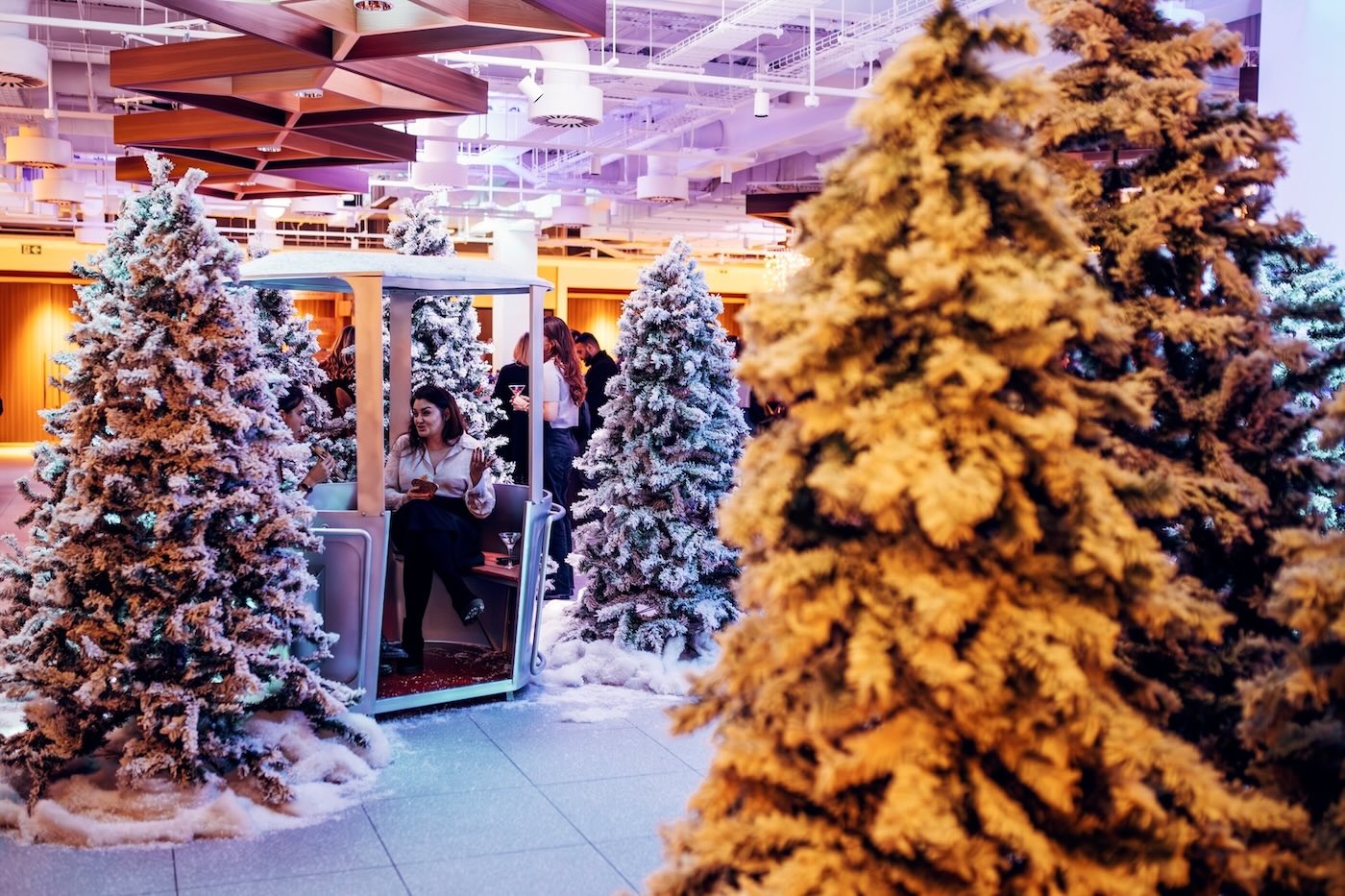
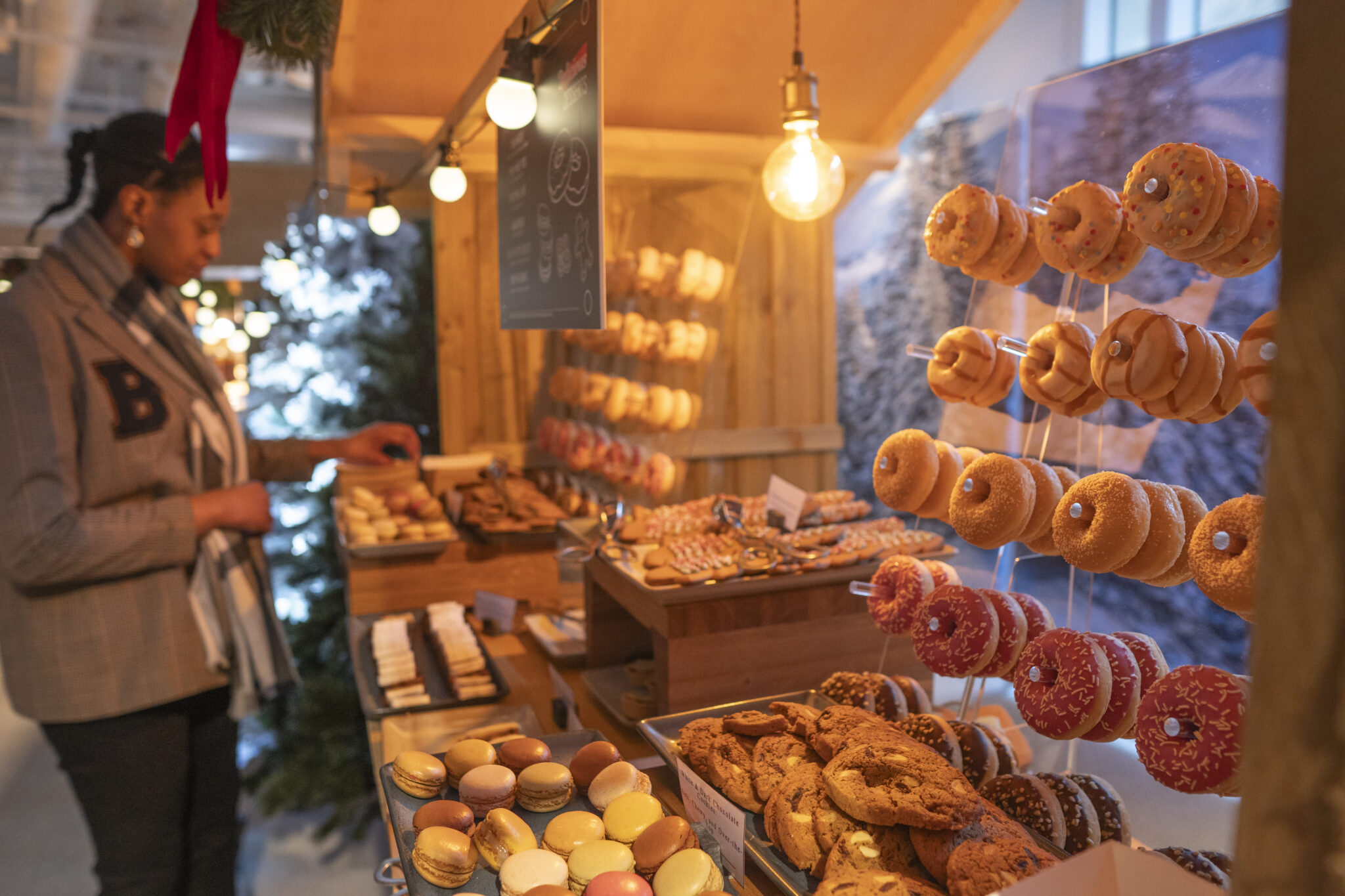
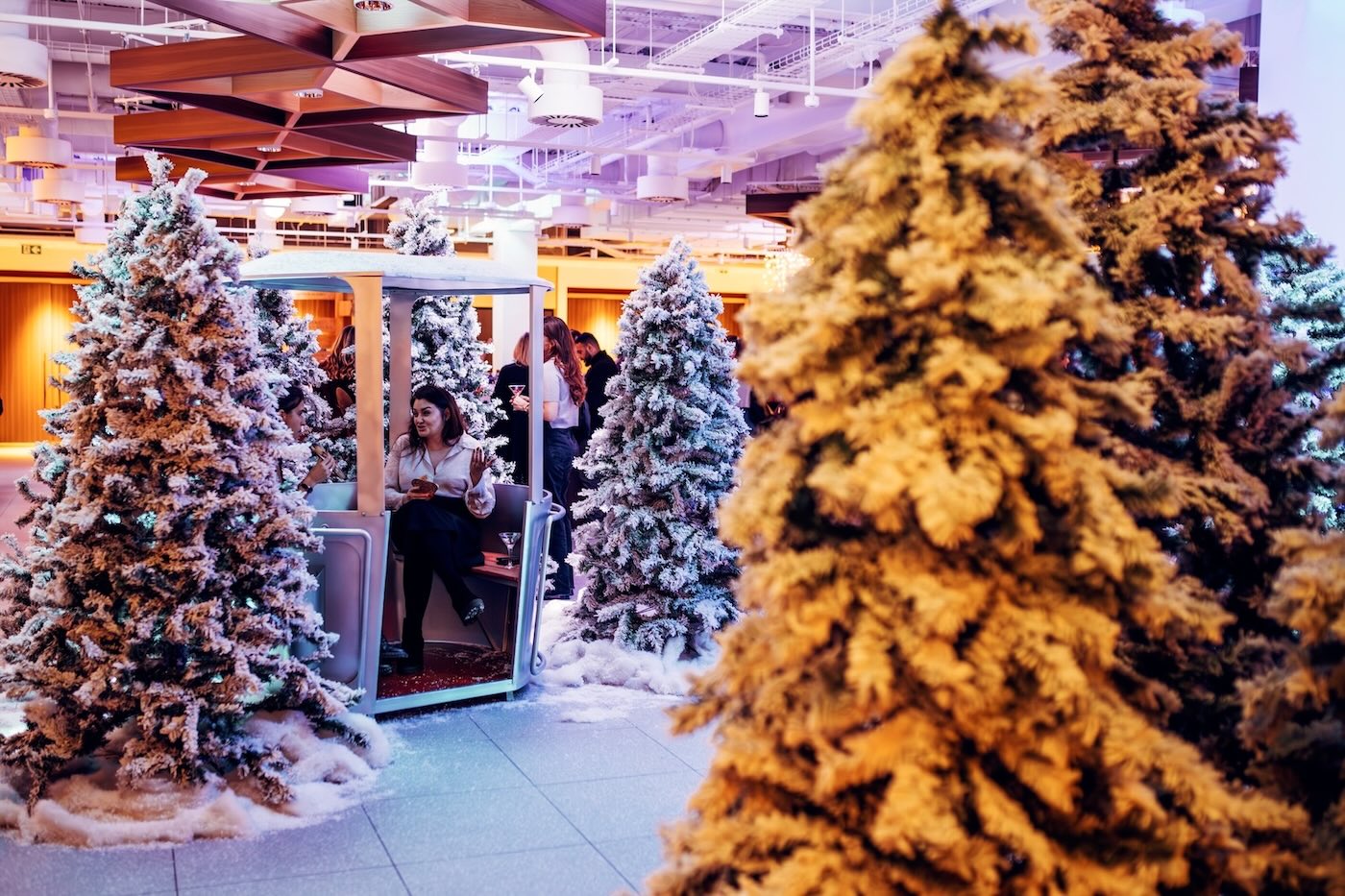
A perfect example of this is our annual Christmas Market at Convene Sancroft. Thoughtfully curated to engage all the senses, guests walk through a wintertime market with log cabin-style vendors and snow on the ground (fake snow, but still impressive for an indoor environment). Guests can visit the raclette bar or an aprés ski-style lounge with sleighs they can climb into for a fully experiential environment. From gourmet food stalls and atmospheric decor to personalised gifting and hands-on moments of interaction, the market transforms festive tradition into a memorable, multi-sensory journey. It was so inspiring to see the look of awe on the guests' faces as they wandered through the experience.
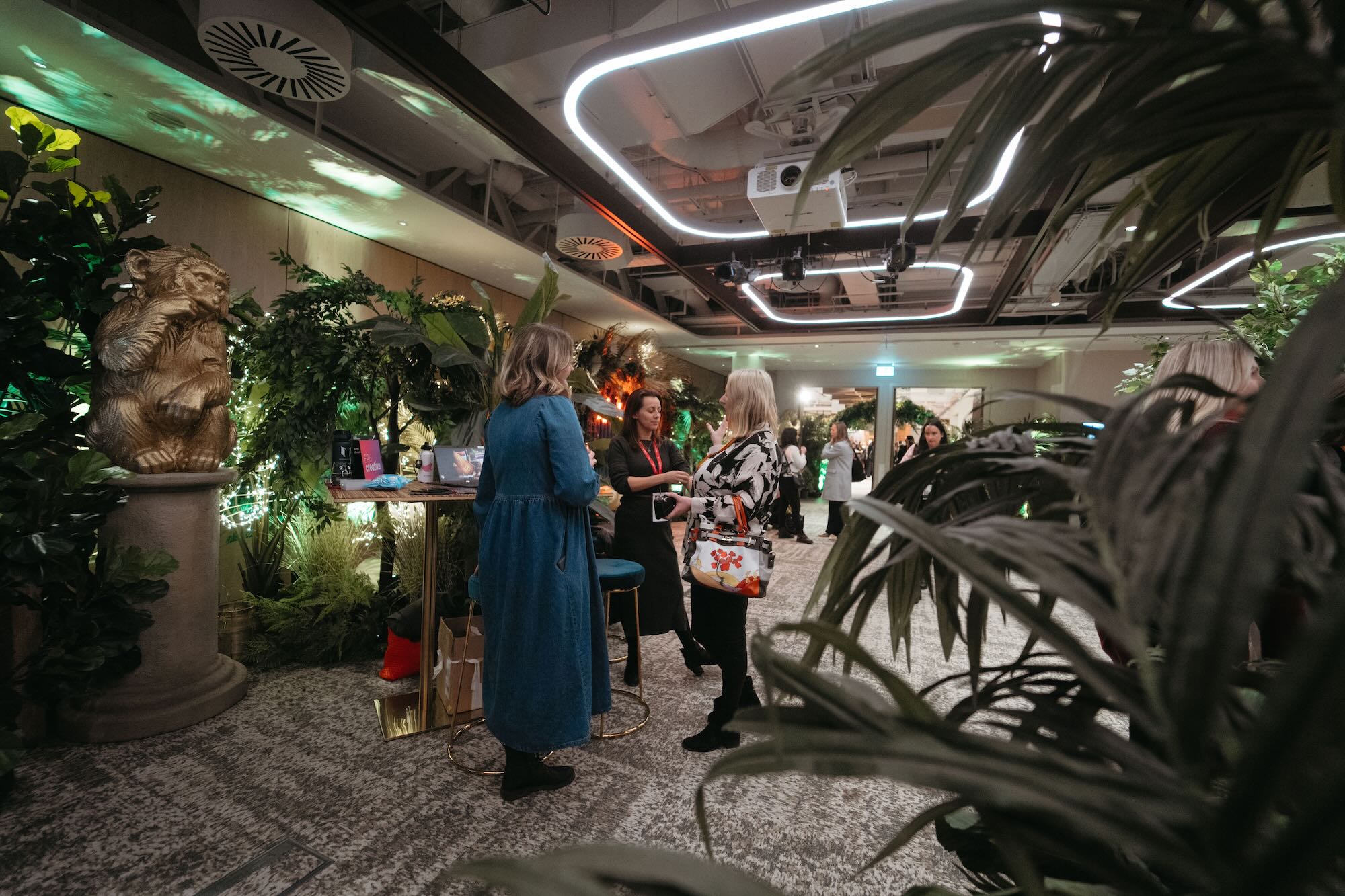
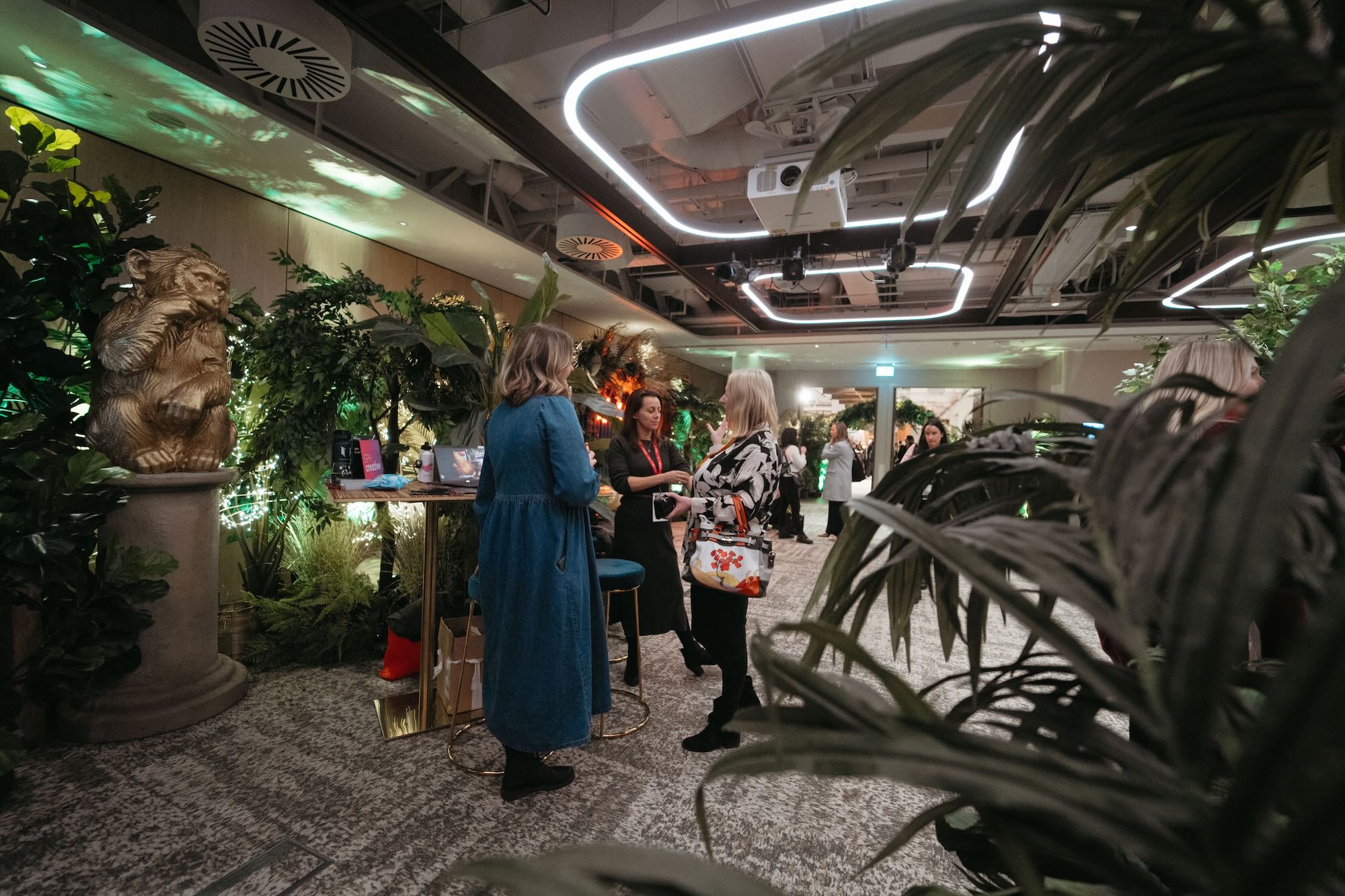
As a venue host and partner, we saw Micebook EXPO 2025 welcome almost 700 global event professionals into the Convene Sancroft, St. Paul's, which had been transformed into a tropical rainforest complete with trees and stages covered in foliage. The decor not only wowed attendees but also spoke to the theme of sustainability and conservation. Convene participated as one of over 150 exhibitors that interacted with guests in the marketplace. On a smaller scale, guests were invited to write down a sustainable promise to pin on a “tree” throughout the event. I saw how impactful it was for guests to add their voice to the collective.
The best events spark connection, curiosity, and meaning by connecting people to the goals and mission of a project or company. The events that get remembered and talked about are those that speak to the whole person, not just their professional interests. I’m proud to say that Convene has been at the forefront in support of experiential events as a venue partner, and we are always exploring new ways to approach event production.
The Bottom Line: Immersive events are here to stay
London Experience Week 2025 sent a clear message: It wasn’t just a preview of future trends; it validated how we have evolved to support our global clients and event planning partners. Immersive design in B2B events isn’t about spectacle for its own sake. It’s about creating meaningful, memorable experiences that forge genuine connections between fellow innovators in the industry. Immersive and experiential events deliver long-term value and shape how people feel about your brand.
For B2B event planners and event venues, the bar has been raised. The future belongs to those ready to go beyond “wow” and into “why.” It’s time to design events that don’t just impress, but matter.
We'd love to bring your next immersive event to life. Connect with our event professionals to learn more about our Enhancement Program and event planning offerings.