Transform Your Event Planning With AI Tools

April 6, 2026

As an account executive at Convene Hospitality Group, I've had the opportunity to closely observe the UK's meetings and events industry over the past few years. Artificial Intelligence (AI) is changing the game for event professionals everywhere by automating tedious, manual work and introducing unprecedented efficiency. AI is more than just a buzzword; it's rapidly becoming an indispensable tool for event planners and event producers.

The technology is helping planners move past spreadsheets and onto more strategic tasks. This pervasive influence necessitates a deeper understanding of AI's capabilities, so here are some practical uses for event and meeting planning around the globe.

How to use AI tools to enhance events in the UK and beyond

From small corporate meetings to large international conferences, AI is enabling an unprecedented level of efficiency, personalisation, and insight. AI algorithms are revolutionising event management by automating intricate operational processes involved in organising and executing events of all scales.

AI technology is actively reimagining how we plan, execute, and experience events across the industry. Event planners can leverage AI in the following ways to create faster, intuitive, and highly personalised environments for meetings, events, and flexible workspaces. I’m happy to say, the era of tedious, manual tasks is coming to an end.

1. Smart planning and logistics automation with AI

The collective impact of these AI-driven optimisations for event planning is a significant enhancement in overall efficiency and a notable reduction in conflicts. This is particularly vital for large-scale events such as trade shows, which often involve an intricate web of exhibitor arrangements, diverse presentation schedules, and numerous concurrent activities.

One of the primary benefits of AI in this domain is its ability to optimise room scheduling. AI can efficiently allocate the most suitable spaces to prevent overbooking or underutilisation, but also ensure a smooth flow for attendees moving between sessions. AI algorithms also excel at optimising staff scheduling. It can consider individual staff skills, availability, and the specific needs of different event areas (e.g., registration, technical support, catering) to create highly efficient work rosters. This minimizes staff idle time, reduces burnout, and ensures that critical areas are adequately covered, leading to a better experience for both attendees and staff.

Beyond personnel, AI also plays a crucial role in equipment deployment. From audio-visual setups to staging and networking infrastructure, AI can determine the optimal placement and quantity of AV equipment needed for an event. This helps reduce logistical complexities, minimize equipment shortages or surpluses, and ensure that all technical requirements are met precisely when and where they are needed.

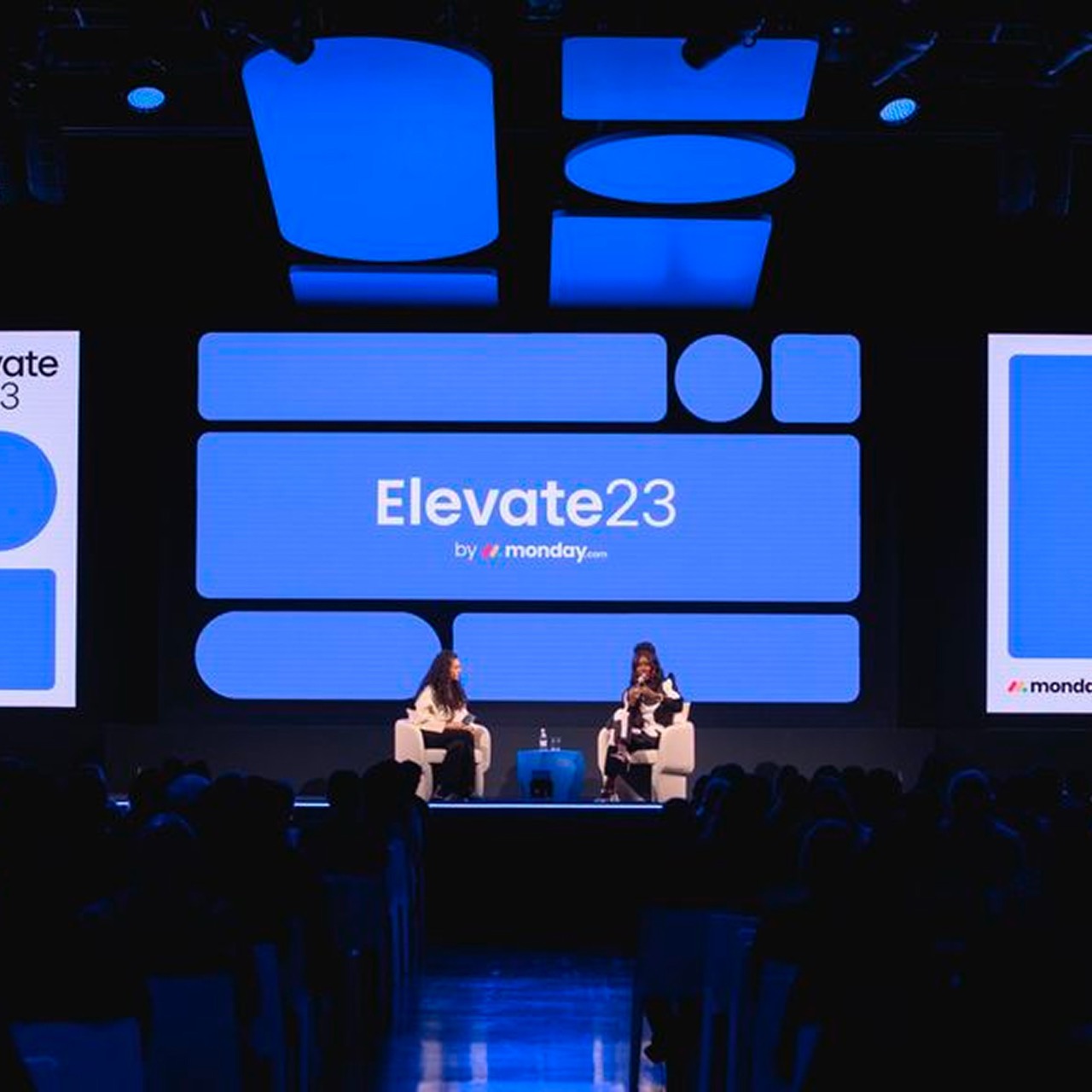
Convene Hospitality Group President and CEO Ryan Simonetti spoke with Salesforce's Erin Oles and Sephora's Jessica Stacey about the event landscape, including predictive analytics and AI capabilities at the Fast Company Innovation Festival held at Convene Brookfield Place, 225 Liberty.

2. Predictive AI analytics for more accurate attendance figures

In the pursuit of more efficient event planning, predictive analytics, powered by AI, can analyze historical data, including past attendance figures, registration trends, seasonal variations, and even external factors, such as holidays or local events. AI algorithms can accurately forecast attendance numbers for upcoming events.

This highly accurate forecasting capability allows planners to move beyond educated guesses and instead make data-driven decisions that significantly reduce waste. For instance, knowing with a high degree of certainty how many attendees to expect empowers planners to order precise quantities of catering and prevent over-ordering of event materials, such as brochures, name tags, or promotional items. By avoiding over-ordering, event organizers can significantly reduce costs associated with surplus food, materials, and event staffing.

3. AI optimization for venue selection

Forget endless phone calls and site visits. AI-driven platforms can analyze your event requirements against vast databases of venues, providing tailored recommendations in minutes. This is particularly valuable in a highly competitive and dynamic market like London, where finding the perfect fit can be a challenge — and knowing where to look is only the beginning. These sophisticated systems can analyze a comprehensive set of event requirements, including desired capacity, precise geographical location, specific amenities, and allocated budget.

The ability of AI to sift through countless options, identify optimal matches, and present actionable insights liberates event planners from tedious manual research, allowing them to focus on the more strategic and creative aspects of event execution. This not only streamlines the initial venue selection but also contributes to overall cost savings and a more efficient allocation of resources, ultimately leading to more successful and impactful events.

Speaker at a multi-session conference held at Convene 22 Bishopsgate in London, the type of event where guests might benefit from having predictive analytics curate a seminar schedule using AI tools.

4. Event programming and content tailored to each attendee

The dramatic shift in post-pandemic preferences has emphasized the need for more engaging and personalized in-person experiences. AI's capabilities allow for a depth of understanding and a responsiveness that enhance traditional production approaches.

AI has the ability to revolutionise attendee engagement and satisfaction at events. For example, imagine a participant at a UK tech conference receiving a personalised agenda, crafted by AI using their registration data and indicated goals for the event. It could highlight the most relevant sessions and speakers, leading to a more impactful experience.

5. AI-powered chatbots for round-the-clock assistance

AI-powered question-and-answer tools offer immediate assistance to attendees by answering frequently asked questions regarding venue directions, session schedules, or local transportation options in real-time.  Its role is becoming increasingly indispensable in crafting tailored journeys that move beyond generic interactions to create impactful meetings, events, and gatherings. This allows human staff to concentrate on more intricate, personalized interactions.

6. Goal-driven networking backed by data

AI algorithms offer a solution for enhancing the networking potential of corporate conferences and larger meetings. By intelligently matching attendees, these algorithms transcend the limitations of traditional, often random, networking methods. They analyze professional profiles, including areas of expertise, company affiliations, roles, and even specific project interests, alongside stated professional objectives for attending the event.

This data-driven approach allows for the creation of highly relevant pairings, connecting individuals who share common goals, complementary skills, or potential for synergistic collaboration. The result is a more meaningful and productive networking experience, moving beyond superficial introductions to foster genuine connections.

For organizations, this translates into increased opportunities for deal-making, knowledge exchange, and the formation of strategic partnerships that might otherwise remain undiscovered. The strategic application of AI for measuring a return on investment when event planning transforms large, potentially overwhelming gatherings into highly efficient networking ecosystems, maximizing the return on investment for both attendees and organizers.

Attendees at Covene 22 Bishospgate in London experience the unseen benefits of energy conservation and sustainable building practices, including a BREEAM Excellent rating.

7. Smarter energy management in event spaces

The integration of intelligent technologies can make spaces more efficient, sustainable, and user-friendly. AI-powered systems can monitor and control lighting, heating, and cooling based on real-time occupancy levels. Using real-time occupancy levels, these systems can dynamically adjust building conditions, ensuring optimal comfort while minimizing wasted resources. This leads to significant energy savings and reduced operational costs, aligning perfectly with the UK's growing focus on sustainability.

For instance, in a large office building, AI can detect when a conference room is empty and automatically dim the lights and reduce the HVAC output for that specific zone. Conversely, as people enter and the room becomes occupied, the system can seamlessly restore the lighting and climate to a comfortable level. This granular control, based on actual usage rather than rigid schedules, leads to significant energy savings.

8. Inclusivity and Accessibility with real-time translation

AI-driven translation tools are facilitating seamless communication at international conferences. This real-time language translation capability is crucial for overcoming language barriers for both attendees and speakers. AI tools can translate speakers in real time or allow attendees to speak one-on-one when language barriers persist. While tools still have a way to go to eliminate awkward delays, many companies are pioneering faster and more reliable translation tools with each passing year.

AI also enhances accessibility for attendees with hearing impairments or those who prefer to review content after a demonstration. It can generate instant captions for live presentations and comprehensive transcripts of sessions without adding tasks for event planners to perform.

Challenges around using AI for event planning

Implementing AI isn’t without hurdles, as I have seen firsthand when planning events in the UK. Here are some of the top challenges when using AI for event planning.

  • Protecting brand and client privacy: GDPR compliance for businesses is a strict requirement in the UK. At CHG, we approach handling attendee data with AI with robust security protocols and transparent data usage policies. Trust is paramount.
  • Alleviating fears around job security: While AI automates certain mundane tasks, it also creates new roles requiring different skill sets. Event planners and businesses alike should focus on upskilling teams to increase efficiency and expand capabilities that might have been too costly or time-consuming if performed manually.
  • Brexit Implications for UK events: Navigating data flow and other potential complexities is essential for tech providers based outside the UK when international events are hosted there. Nevertheless, AI can streamline cross-border collaboration and communication, effectively bridging these gaps.

Using AI as a partner starts wth event planners

As part of CHG, I am optimistic about how AI could benefit the meetings and events industry. CHG is acutely aware of the necessity to protect the privacy and security of our brand and clients while the reach of AI tools continues to expand and adapt. I believe AI is not a replacement for the human touch but a tool to support and challenge.

I’ve witnessed how CHG is committed to exploring AI-powered solutions that empower our clients to increase efficiency, deliver unparalleled experiences, and gain actionable insights. I’ve already leveraged CRM tools with built-in AI to better understand client needs and streamline my outreach. This firsthand adoption gives my team insight into the practical benefits and considerations for our clients.

The future of meetings, events, and conferences in the UK is undeniably intertwined with AI. As a member of the events industry, I believe embracing this technology isn't just about staying competitive; it's about unlocking new levels of creativity, efficiency, and impact. I’m committed to building events that are smarter, more engaging, and leave a truly lasting impression.


Behind the Scenes: What it’s like to host an event at etc.venues County Hall in London

Behind the Scenes: What it’s like to host an event at etc.venues County Hall in London

Behind the Scenes: What it’s like to host an event at etc.venues County Hall in London

Behind the Scenes: What it’s like to host an event at etc.venues County Hall in London

Choosing a venue for a major corporate event can feel like the single most important decision an event planner has to make. Brand USA is a destination marketing organization that has hosted its annual Travel Week U.K. and Europe conference at etc.venues County Hall in London since 2019, which brings together exhibitors, media, strategists, and industry leaders from 20 countries.

Located on London's Southbank, County Hall is a bustling hub, housing hotels, an aquarium, a playhouse, and art exhibitions, all inside a restored landmark once serving as the city government's headquarters. This grand Edwardian Baroque-style building overlooks the Thames, offering clear views of The Houses of Parliament and Big Ben, and is adjacent to the London Eye observation wheel. Inside, etc.venues County Hall occupies 68,000 square feet (6,317 square meters) across two floors, featuring 30 mixed-use meeting rooms, including four commercial kitchens for communal dining or private culinary events, with the capacity to accommodate up to 400 guests. The real measure of a conference venue isn't just the view, but the service, the logistics, and the seamless execution on the day.

Knowing they are the destination experts, we consulted Brand USA Director of Events Alexis Adelson and MMGY Event Manager Natasha Rowe about their experiences this year at the Brand USA Travel Week U.K. and Europe conference. MMGY Global, a UK-based integrated marketing company specializing in the travel, tourism, and hospitality industry, served as the third-party agency supporting the planning process for the Brand USA Travel Week event.

We invite you to read our clients' candid behind-the-scenes account regarding their collaboration with the etc.venues team and understand why this event has returned to our London property for the past six years.

“The client used to have an old branding vendor and each time there were issues, like the artwork would peel off the wall or the measurements were not accurate. This year through myself and our tech manager we completed all the branding, remeasuring the venue ourselves to ensure each piece would be accurate.”
— Gemma Robbins, SVP Prime Capital
Miami Design Conference 2026
Panel Discussion at The Aperture

Behind the Scenes: What it’s like to host an event at etc.venues County Hall in London

Choosing a venue for a major corporate event can feel like the single most important decision an event planner has to make. Brand USA is a destination marketing organization that has hosted its annual Travel Week U.K. and Europe conference at etc.venues County Hall in London since 2019, which brings together exhibitors, media, strategists, and industry leaders from 20 countries.

Located on London's Southbank, County Hall is a bustling hub, housing hotels, an aquarium, a playhouse, and art exhibitions, all inside a restored landmark once serving as the city government's headquarters. This grand Edwardian Baroque-style building overlooks the Thames, offering clear views of The Houses of Parliament and Big Ben, and is adjacent to the London Eye observation wheel. Inside, etc.venues County Hall occupies 68,000 square feet (6,317 square meters) across two floors, featuring 30 mixed-use meeting rooms, including four commercial kitchens for communal dining or private culinary events, with the capacity to accommodate up to 400 guests. The real measure of a conference venue isn't just the view, but the service, the logistics, and the seamless execution on the day.Inquire about new bookings with CHG.

We recently hosted two interactive campfire sessions for the London Experience Week at Convene 22 Bishopsgate, including a hybrid session with author of “The Experience Economy,” Joe Pine. After engaging in the week’s activities, one thing’s clear: Immersive isn’t a buzzword, it’s the direction events are moving. Immersive and experiential consumer-focused events have been here for a while. The conversations, showcases, and experiences at London Experience Week demonstrated that the shift is undeniable for the business-to-business (B2B) world.

As the director of UK sales at Convene Hospitality Group, I’ve seen an exciting shift for our global portfolio of brands and for our partners who have embraced immersive and experiential events. If businesses want an event to cut through, connect, and convert, elements such as immersive tech, intentional design, and AI-driven personalisation aren’t optional; they’re expected.

Welcome to the Experience Economy

We’re living in what Pine and London Experience Week organisers called the "experience economy," one that incorporates aesthetics, engagement, customisation, and has the power to transform quality of life. As Mat Duerden, a professor of experience design and management at Brigham Young University, put it in his session How Stories Create Social Connection, the most powerful experiences follow three stages: anticipation, participation, and reflection. Leaders now recognise the cycle to amplify events, building excitement before, engaging deeply during, and continuing the conversation as attendees walk out of a session and engage on social media. Memorable events create impact as a result of the story your audience takes with them.

So, what’s changed? People want to feel something and are more attuned to when a brand is simply going through the motions to sell a product. B2B events should follow this approach to translate their mission and message with immersive and tangible activations.  Guests want to throw themselves into the experience and have a say in how it plays out. They’re not just there to watch; they want to be a part of it. Experiential events deliver just that.

Events have shifted focus from the speaker to the audience

The event landscape has shifted dramatically from traditional speaker-style formats to fully immersive and experiential environments. We're seeing the evolution from a passive attendance listening to a presentation to meticulously designed activities, such as hands-on learning and engagement between guests driving the session. More interactivity can also require more room to expand with additional breakout spaces. Delegates demand more, and their expectations are more heightened than ever.

The “flight to experience” is real: What entices people to leave their screens and join events in person is no longer content alone, but how attendees can interact and respond to the content. It's F&B that is healthy and sensory, thanks to menus with fresh ingredients tailored to guest preferences. It’s spatial design that brings in natural light and is conducive to creative work sessions for groups in a range of sizes. It’s also technology that makes sharing resources and curating a personalised agenda feel seamless. This fusion creates more than an event, it creates a memory.

Personalisation Can't Be Optional

AI content was everywhere at London Experience Week, but not in a showy, sci-fi way. Instead, it quietly shaped the attendee journey. Event planners can use AI tools in several ways to enhance an AI tools can create greater accessibility during events with real-time and accurate closed captions and translation. AI-driven cameras follow an on-stage speaker to get the best angles, and AI-generated highlight reels save time when looking to continue the conversation after an event is finished. Intelligent lighting tracks speakers as they walk, and auto-level adjustments based on the time of day dim to see a digital display.

Similar to how smart buildings can access and adjust the lighting in underutilised rooms or the temperature to improve efficiencies, digital platforms are looking to build smart scheduling based on your travel times, calendar, and interests, which could improve engagement and avoid burnout at conferences or other multi-day events. (If you’re interested in digging deeper, our team has previously reported on emerging event trends for audio-visual technology.)

Exploring this level of customisation allows business leaders to create large-scale events that feel tailored and help attendees feel seen, valued, and more connected.

Immersive events can create impact at any scale

In this era, events aren’t just functional, they’re driven by emotion. On behalf of Convene, I’ve been able to experience a range of hands-on events that created impact regardless of the size or scale. We partner every day with clients to streamline the planning process for experiential elements and immersive activations with our Enhancement Program.

A perfect example of this is our annual Christmas Market at Convene Sancroft. Thoughtfully curated to engage all the senses, guests walk through a wintertime market with log cabin-style vendors and snow on the ground (fake snow, but still impressive for an indoor environment). Guests can visit the raclette bar or an aprés ski-style lounge with sleighs they can climb into for a fully experiential environment. From gourmet food stalls and atmospheric decor to personalised gifting and hands-on moments of interaction, the market transforms festive tradition into a memorable, multi-sensory journey. It was so inspiring to see the look of awe on the guests' faces as they wandered through the experience.

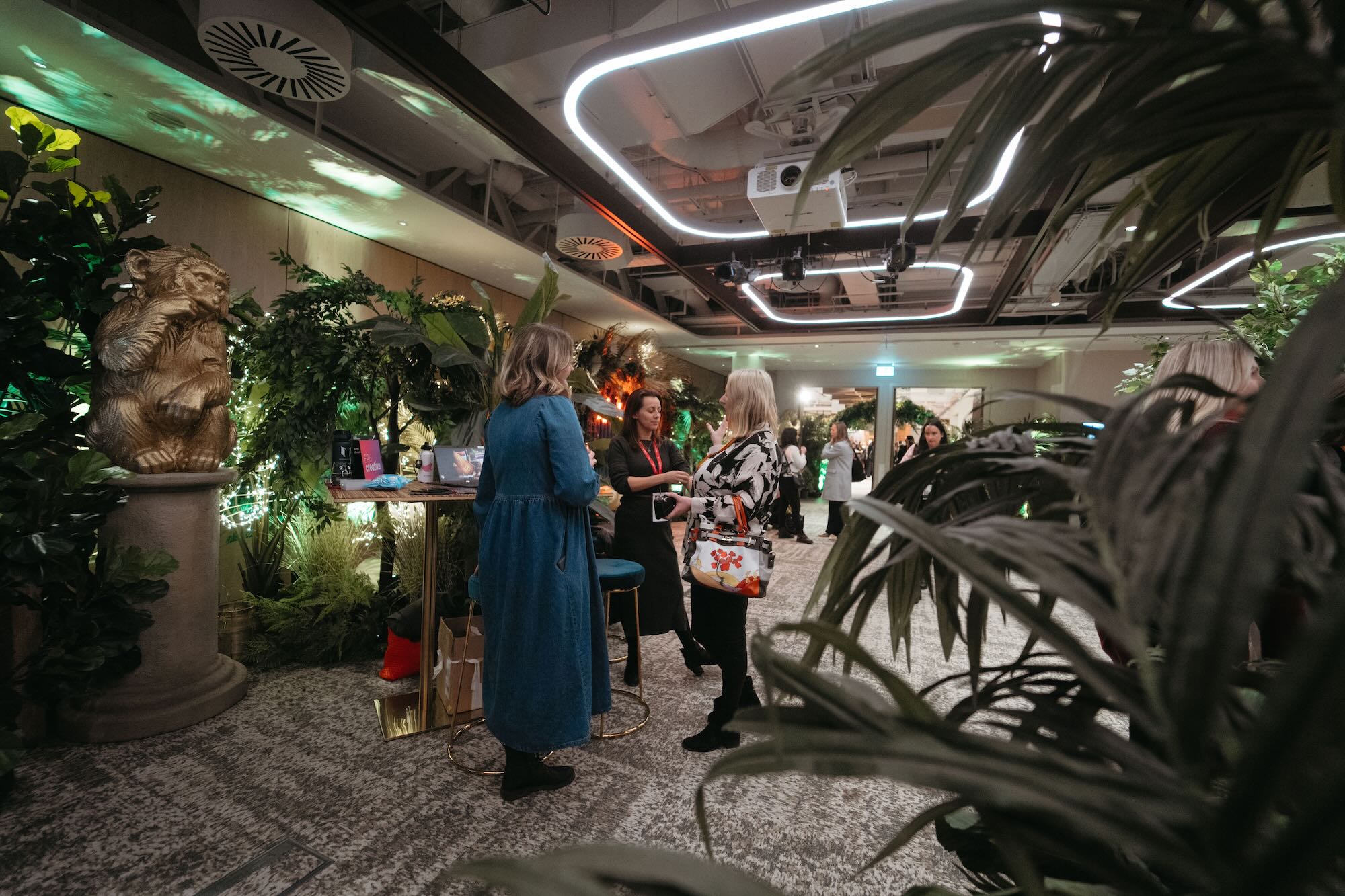
As a venue host and partner, we saw Micebook EXPO 2025 welcome almost 700 global event professionals into the Convene Sancroft, St. Paul's, which had been transformed into a tropical rainforest complete with trees and stages covered in foliage. The decor not only wowed attendees but also spoke to the theme of sustainability and conservation. Convene participated as one of over 150 exhibitors that interacted with guests in the marketplace. On a smaller scale, guests were invited to write down a sustainable promise to pin on a “tree” throughout the event. I saw how impactful it was for guests to add their voice to the collective.

The best events spark connection, curiosity, and meaning by connecting people to the goals and mission of a project or company. The events that get remembered and talked about are those that speak to the whole person, not just their professional interests. I’m proud to say that Convene has been at the forefront in support of experiential events as a venue partner, and we are always exploring new ways to approach event production.

The Bottom Line: Immersive events are here to stay

London Experience Week 2025 sent a clear message: It wasn’t just a preview of future trends; it validated how we have evolved to support our global clients and event planning partners. Immersive design in B2B events isn’t about spectacle for its own sake. It’s about creating meaningful, memorable experiences that forge genuine connections between fellow innovators in the industry. Immersive and experiential events deliver long-term value and shape how people feel about your brand.

For B2B event planners and event venues, the bar has been raised. The future belongs to those ready to go beyond “wow” and into “why.” It’s time to design events that don’t just impress, but matter.

We'd love to bring your next immersive event to life. Connect with our event professionals to learn more about our Enhancement Program and event planning offerings.

  • Protecting brand and client privacy: GDPR compliance for businesses is a strict requirement in the UK. At CHG, we approach handling attendee data with AI with robust security protocols and transparent data usage policies. Trust is paramount.
  • Alleviating fears around job security: While AI automates certain mundane tasks, it also creates new roles requiring different skill sets. Event planners and businesses alike should focus on upskilling teams to increase efficiency and expand capabilities that might have been too costly or time-consuming if performed manually.
  • Brexit Implications for UK events: Navigating data flow and other potential complexities is essential for tech providers based outside the UK when international events are hosted there. Nevertheless, AI can streamline cross-border collaboration and communication, effectively bridging these gaps.